Converting a Sole Proprietorship (Business Name) to a Private Limited Company (Ltd)
 RebueText
Converting a Sole Proprietorship (Business Name) to a Private Limited Company (Ltd) on the Business Registration Service (BRS V2) portal on eCitizen is a streamlined, two-stage process. Rather than simply renaming your business, you must legally cease (close) the sole proprietorship specifically for the purpose of converting it. This locks the name so it cannot be claimed by anyone else, and immediately transitions it into a brand-new Limited Company.

What are the key differences between a sole proprietorship and a Private Limited Company (PLC) in Kenya, and when should I upgrade?
The transition from a Sole Proprietorship to a Private Limited Company (often written as Ltd or PLC) is one of the most significant milestones for a growing business in Kenya. While a sole proprietorship is fast, cheap, and easy to run, a Limited Company operates under the Companies Act 2015 and introduces a completely different legal and financial environment. Here is how the two structures compare, followed by the specific triggers that indicate it is time for you to upgrade.
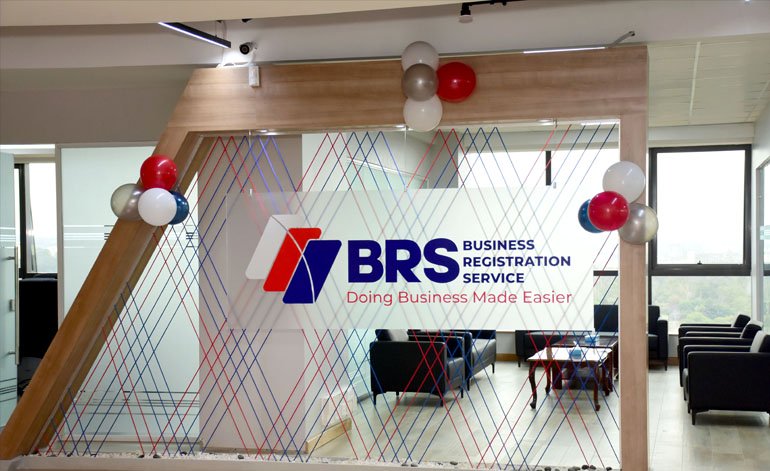
How to Register a Business Name in Kenya in 2026
egistering a sole proprietorship in Kenya has become significantly easier and faster thanks to the Business Registration Service (BRS) upgrading its system to BRS V2 on the eCitizen platform. Whether you are formalizing a side hustle, setting up a retail shop, or launching a freelance consulting business, a sole proprietorship is the simplest and most cost-effective legal structure. As of 2026, the entire process is fully digitized, and the notoriously separate "name search" and "registration" steps have been combined into a single seamless application. Here is a complete, step-by-step guide to registering your business name in Kenya.
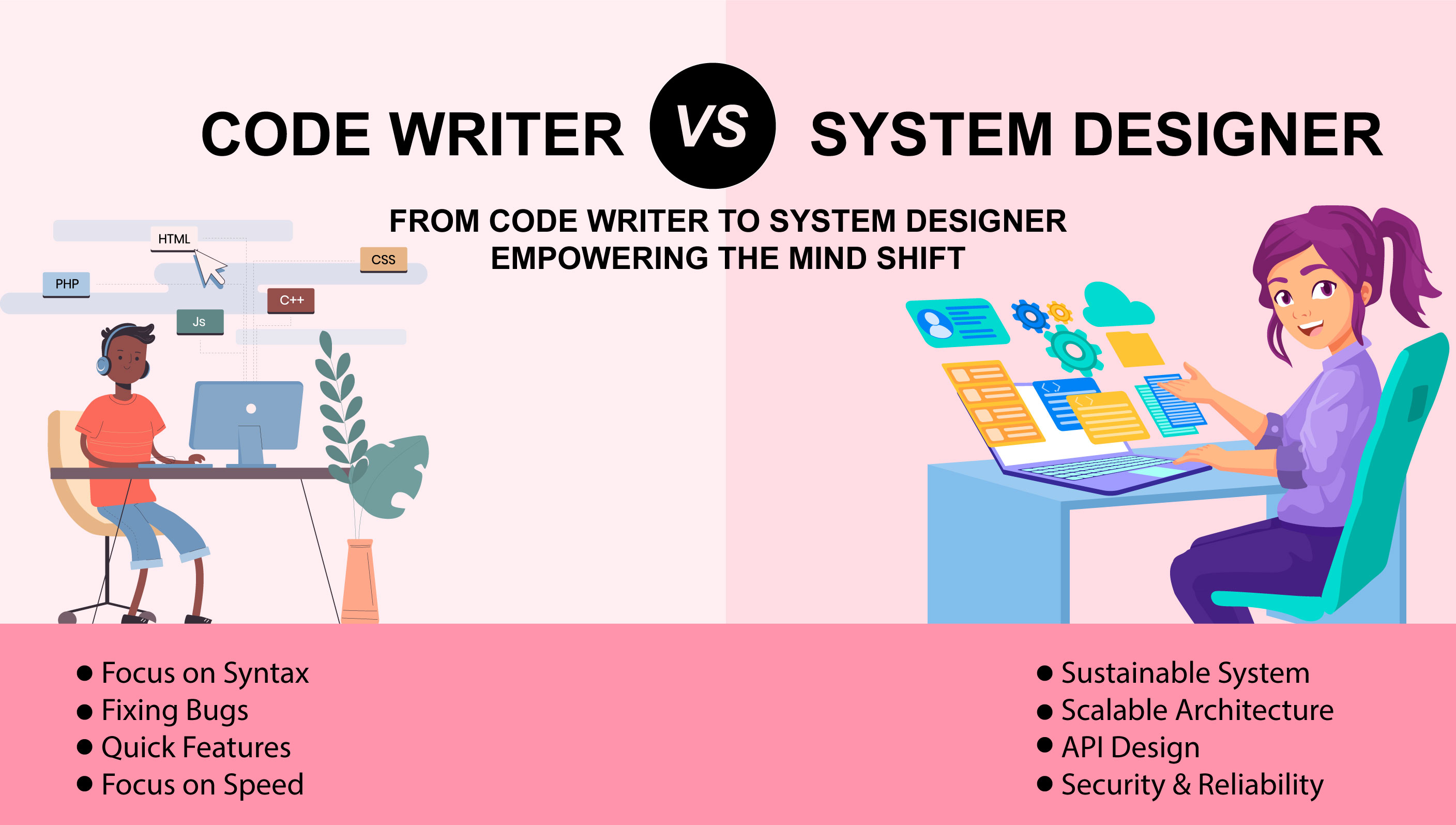
Beyond the Syntax: Why I Stopped "Coding" and Started Building
Early in my career, I measured my productivity by lines of code and the speed of my PRs. I thought a "great developer" was just a fast one. I was wrong.
Natural Language Processing (NLP): Bridging the Gap Between Humans and Machines
In today’s digital world, machines are learning to understand and process human language like never before. From voice assistants like Siri and Alexa to real-time translation apps, Natural Language Processing (NLP) is at the heart of these advancements. But what exactly is NLP, how does it work, and why is it so important?

The Rise of Large Language Models (LLMs): Revolutionizing AI Communication
In recent years, Large Language Models (LLMs) have taken the world by storm, transforming how we interact with technology. From chatbots like ChatGPT to advanced AI assistants, these models are reshaping industries, automating tasks, and enhancing human creativity. But what exactly are LLMs, how do they work, and what impact do they have on society? In this article, we’ll explore:

Transactional vs. Promotional Senders: Understanding the Difference
In the world of digital communication, emails play a vital role in keeping businesses and customers connected. To effectively manage email campaigns and customer interactions, it is crucial to understand the difference between transactional and promotional senders. Both serve distinct purposes and have unique compliance and usage guidelines.

Conversational AI: Understanding Its Applications and Benefits
Conversational AI represents a transformative approach to communication between humans and machines. Powered by advancements in natural language processing (NLP), machine learning, and artificial intelligence, conversational AI systems enable interactions through text or voice in a way that feels natural and intuitive. From virtual assistants like Siri and Alexa to chatbots on websites, these systems have become integral to daily life and business operations
Fuel connections with RebueText Solutions today!